Keynote Speaker
Engaging, actionable stories that transform audiences into change agents

IRRESISTIBLE CHANGE: Driving Enthusiastic Adoption of New Cultural Behaviors
Transforming organizational culture is not just about directives—it’s about cultivating enthusiasm, engagement, and momentum. By treating change as a product that people voluntarily adopt, leaders can inspire alignment, spark innovation, and drive transformations that last.
Keynote Details:
Drawing from my experience leading IBM’s global transformation of almost 400,000 people, I’ll show how to approach change in a way that excites teams and sustains progress. By framing change as something teams chose to adopt and were happy to pay for, we turned skepticism into momentum and reshaped IBM’s culture.
This session unpacks actionable strategies to help leaders engage teams authentically, build leadership buy-in, and create environments where change becomes second nature. Through vivid stories and real-world tactics, participants will gain a practical framework for designing cultures that adapt and thrive.
Audience:
This keynote can be shaped to serve audiences of most any size, from C-suite executives and senior leadership teams to larger organizational units preparing for a change agenda.
- Leading or preparing for significant transformation initiatives.
- Struggling to gain traction or overcome resistance to change.
- Seeking sustainable strategies to embed adaptability into their organizational culture.
Outcomes:
- A framework for treating change as a product people choose to adopt.
- Tactics for igniting early adoption and maintaining momentum.
- Strategies for aligning leadership and empowering teams.
- Actionable next steps to realign your change initiatives.
Suggested Formats:
- Leadership retreats
- Strategy sessions
- Change management workshops
- Executive Kickoffs
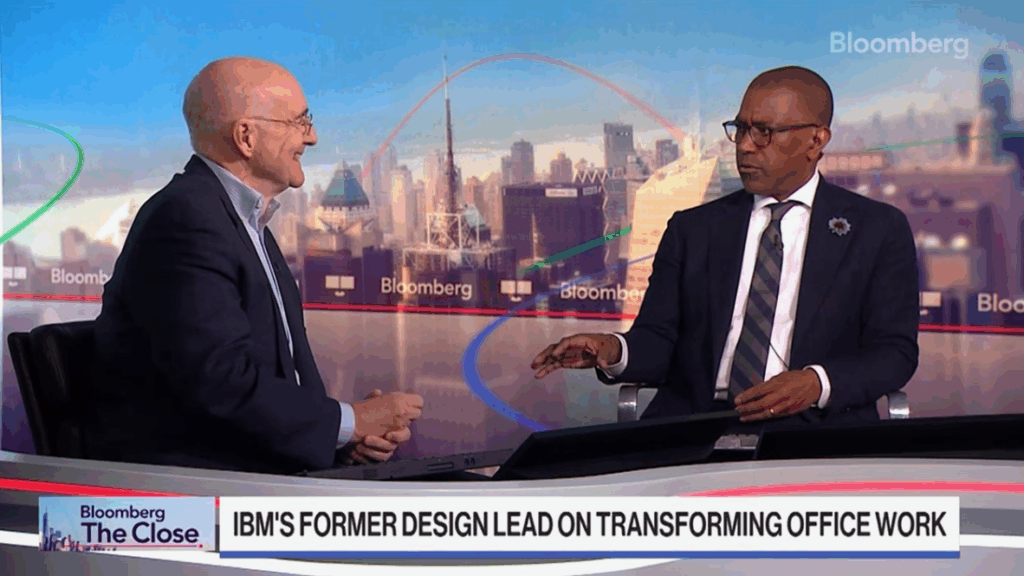
Media commentary and expert availability
Phil Gilbert is a recognized authority on large-scale organizational change, workplace culture, and leadership in periods of disruption. He is best known for leading IBM’s global cultural transformation—an effort that reshaped how nearly 400,000 employees across 180 countries worked, without mandates or top-down enforcement. That experience gives him rare, real-world perspective on why many corporate change efforts stall—and what actually drives adoption at scale.
Phil is a frequent media guest, including appearances on Bloomberg TV’s The Close, where he has commented on timely issues such as return-to-office mandates, executive decision-making, and the cultural consequences of change. His commentary connects headline events to deeper organizational dynamics—helping audiences understand not just what leaders are doing, but why it’s working or failing inside real teams.
He is available to comment on topics including leadership and culture, workplace strategy, AI-era transformation, return-to-office and hybrid work, innovation inside large enterprises, and why change initiatives succeed or collapse. Producers value Phil for his ability to translate complex organizational behavior into clear, pragmatic insight—grounded in experience, not theory—and for delivering concise, opinionated perspectives under live-broadcast conditions.
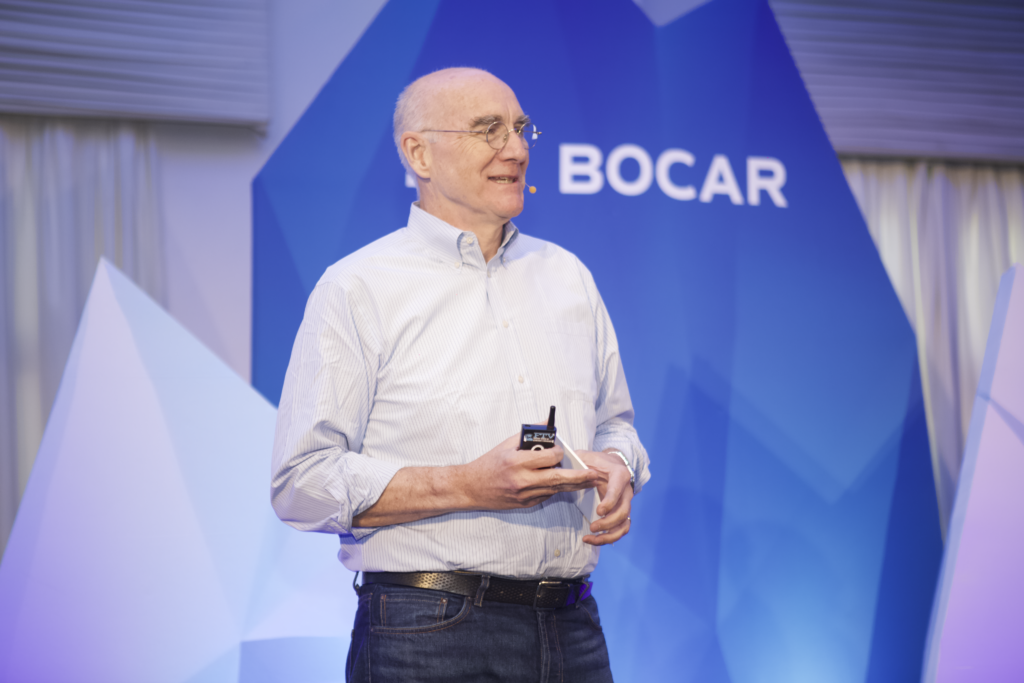
Work with Phil to create your own cultural provocation
Not every moment calls for a standard keynote. Some moments demand a sharper intervention.
In addition to his core topics, Phil regularly works directly with leadership teams, hosts, and producers to design bespoke talks and conversations—rooted in his experience leading change at scale, but shaped around the specific tension, transition, or inflection point an organization is facing. These sessions are designed as cultural provocations: grounded, credible, and intentionally disruptive in the best sense of the word.
Audiences vary in size from 30 to 30,000. Typical audiences include executive leadership teams, boards, transformation leadership teams, design and product organizations, technology leaders, and cross-functional teams navigating transformation at scale. Phil’s work is particularly resonant with organizations confronting moments of change—AI adoption, cultural reinvention, post-merger integration, shifts in workplace strategy, or the need to move faster without losing trust.
Outcomes vary by audience, but the goal is consistent: inspire and educate using real world examples, show the power of earning buy-in over mandating compliance, and gaining momentum where change has stalled. Audiences leave with a shared language for what’s really happening inside their organization, a sharper understanding of what needs to change next, and the confidence to act—together.

University programs
Contact Phil for course lectures based on the book Irresistible Change. This is especially appropriate for Leadership or Entrepreneurial courses at the Master’s level for Design, Engineering and Business students.

A Seat at the Table: How Design Gains Power
Design is one of the most underutilized strategic tools in business. When positioned at the heart of decision-making, it transforms organizations, driving innovation, customer satisfaction, and competitive advantage.
Keynote Details:
For too long, design has been sidelined as a support function, missing from critical business conversations. At IBM, we shifted this paradigm, growing from virtually no design capability to a global team of 5,000 formally-trained designers, and dozens of Executive-ranked designers leading the teams, and the business. This transformation didn’t happen by chance—it was intentional and strategic.
Attendees will discover how to build a design culture that thrives in the midst of an entrenched Enterprise, secure executive sponsorship for design initiatives, and connect design to tangible business results. By the end of the session, participants will leave with actionable insights on how to make design a driving force within their organization, creating lasting impact and earning the respect of their peers.
Audience:
This keynote serves design leaders and teams who are:
- Seeking to increase the influence of design within their organization.
- Struggling to connect design thinking with measurable business outcomes.
- Aiming to foster greater collaboration between design teams and other business functions.
Outcomes:
- Tools for positioning design as a strategic partner.
- Frameworks for embedding design into core business processes.
- Real-world examples of aligning designers with top-line business outcomes.
Suggested Formats:
- Design leadership or all-hands summits
- Innovation conferences
- Executive strategy sessions